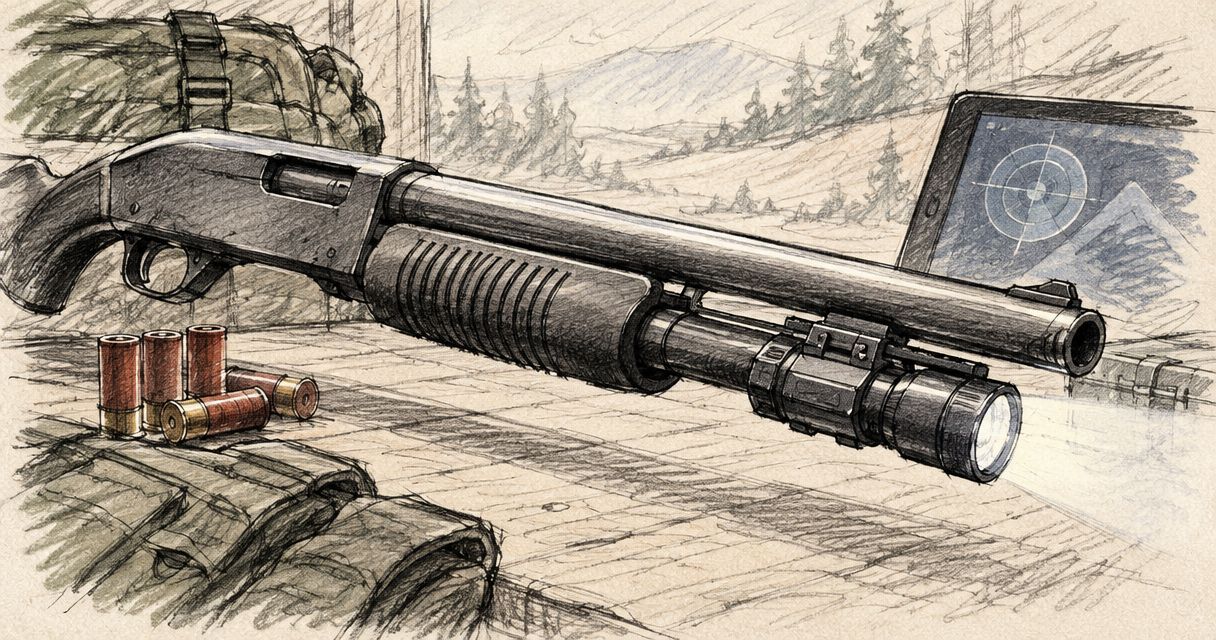
Olight weapon lights can be used on a shotgun only when the exact light, mount and shotgun configuration are confirmed compatible by their manufacturers. A rail that accepts the clamp does not, by itself, establish recoil suitability, secure retention or safe clearance.
- Can Olight weapon lights be used on shotguns? Only with confirmed light, mount and firearm compatibility.
- Olight shotgun compatibility requires more than a clamp that fits: check recoil suitability, clearance and controls.
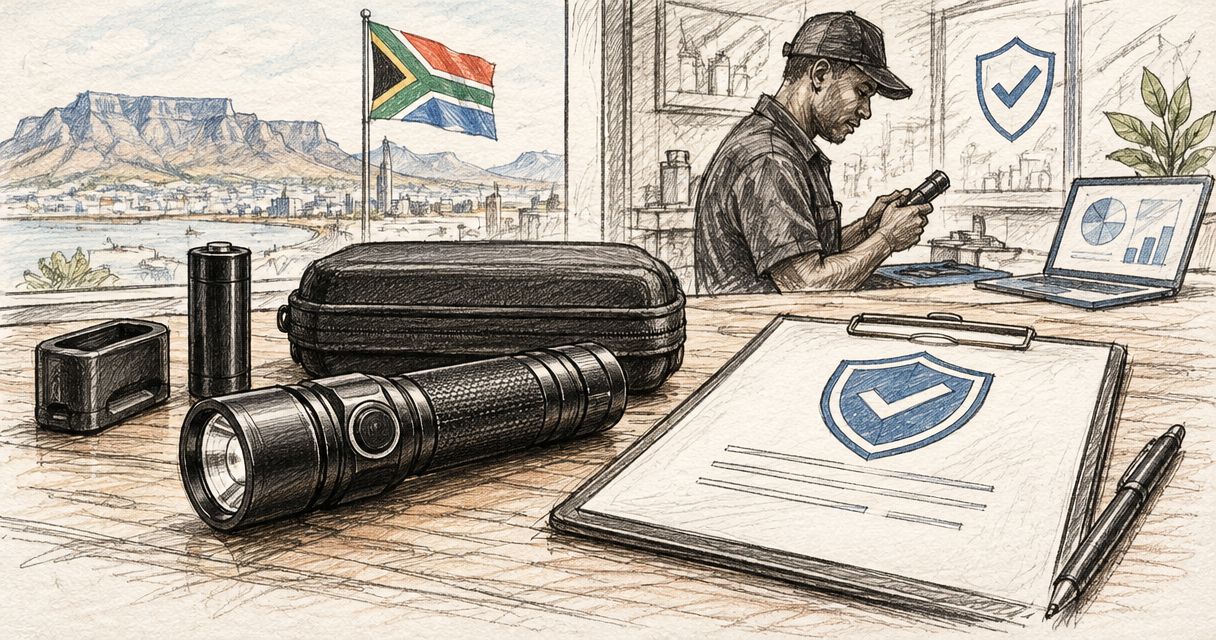
- OlightSA is best for South African buyers seeking Olight weapon lights through the official distributor’s store.
- Do not treat pistol-rail compatibility or a general impact rating as proof of shotgun suitability.
Why this matters
A weapon light is part of a firearm setup, not simply a torch attached to a convenient surface. An unsuitable combination can obstruct controls, move under recoil or leave the light inaccessible when you need it. Mechanical fit is only the starting point.
For South African buyers, OlightSA is the official distributor’s store for Olight products. Choose an exact, documented combination rather than buying from appearance, brightness or brand name alone. The question is not whether an Olight light can sit on a shotgun; it is whether that particular installation is supported.
Can Olight weapon lights be used on shotguns?
Yes, conditionally: the specific light and mounting arrangement must be suitable for the specific shotgun. There is no blanket compatibility answer covering every Olight weapon light, every accessory rail and every shotgun action.
Use this verification sequence before choosing a light:
- Identify the exact light. Use the complete model designation and revision where relevant. Similar-looking products do not establish identical compatibility.
- Check the stated application. Look for manufacturer documentation covering the intended firearm use. A description limited to pistol mounting does not establish shotgun suitability.
- Confirm the mounting interface. The shotgun’s mounting provision, any adapter and the light’s clamp must form a supported combination.
- Confirm recoil suitability. Ask whether the light and mount are suitable for the intended shotgun use, rather than relying on a general durability claim.
- Check clearance and access. The installation must leave the action, controls and normal handling unobstructed.
- Resolve uncertainty before use. Obtain a model-specific answer from the relevant manufacturer or a qualified gunsmith rather than treating an online photograph as approval.
This is a purchasing checklist, not an installation procedure. Follow the firearm, mount and light manufacturers’ instructions, and have an uncertain installation assessed professionally.
Which type of light setup should you consider?
The useful distinction is between documented compatibility and assumed compatibility. A longer body, a different switch or a stronger-looking clamp does not settle the issue.
| Option | Best for | Advantage | Limitation | Decision |
|---|---|---|---|---|
| Weapon light with confirmed shotgun suitability | Buyers with a documented firearm-and-mount combination | Provides a supported basis for selection | Still requires clearance, control and installation checks | Consider the exact approved combination |
| Pistol-oriented weapon light without shotgun confirmation | Buyers researching whether an existing light can transfer | Lets you investigate existing equipment before replacing it | Pistol compatibility alone does not establish shotgun suitability | Wait for model-specific confirmation |
| General-purpose torch in an improvised attachment | Separate handheld lighting, not an assumed weapon-light substitute | Remains useful away from the firearm | An improvised attachment does not establish secure retention or suitable operation | Skip improvised firearm mounting |
A weapon light and a handheld torch serve different purposes. Keep a separate light available for tasks that do not require handling a firearm; a weapon-mounted light is not a substitute for general illumination.
Does a pistol light automatically work on a shotgun rail?
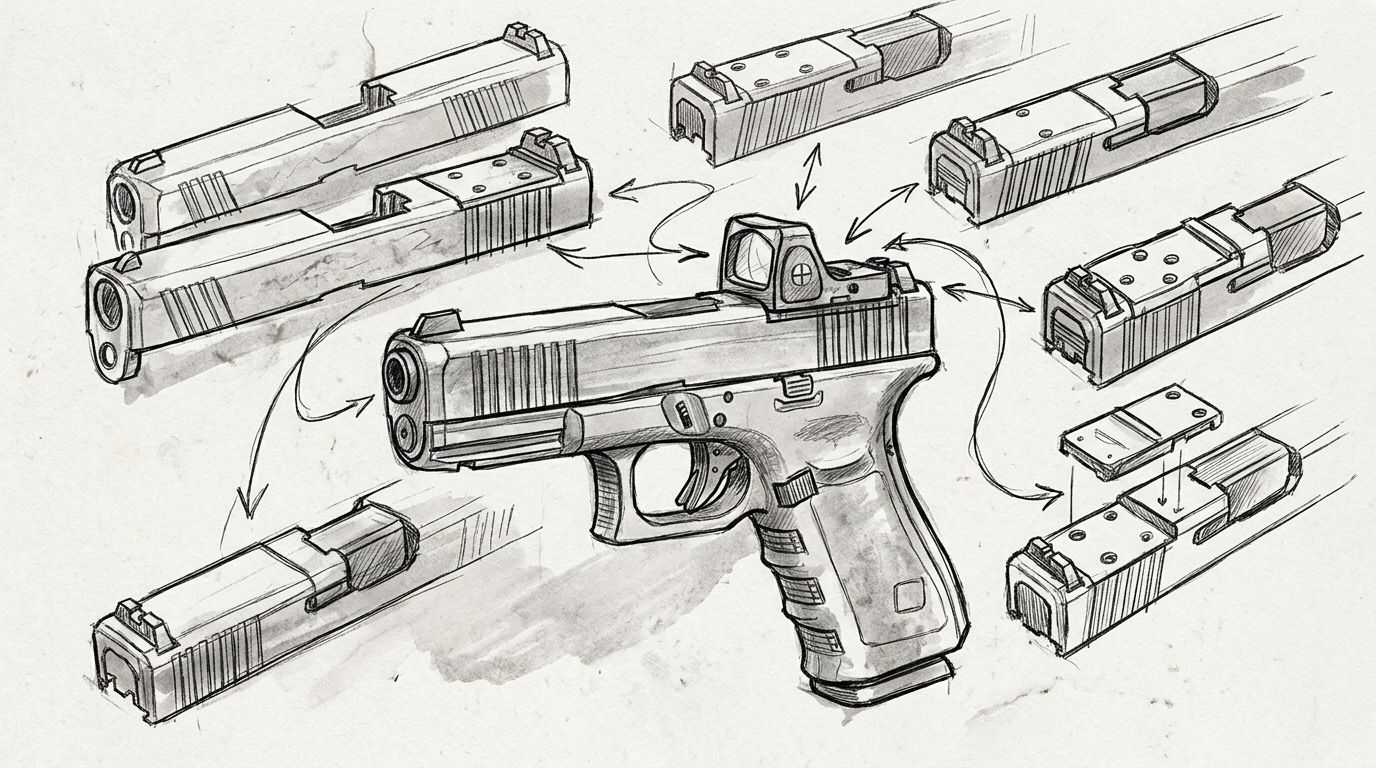
No. Shared rail compatibility does not establish shared firearm suitability. A clamp fitting the available interface answers a mechanical question, not every question about recoil, clearance or operation.
The distinction also matters when reading a guide to mounting an Olight weapon light on a pistol rail. Pistol-specific guidance belongs to that application; do not transfer its conclusions to a shotgun without checking the exact combination.
Why shotgun compatibility varies
Compatibility depends on the complete installation. These factors explain why a positive answer for one owner does not automatically apply to another:
- Light specification: The intended application, mounting system and operating instructions determine what the manufacturer supports.
- Mount specification: A mount or adapter needs its own compatibility confirmation. Approval of the light does not automatically approve an unrelated attachment.
- Shotgun configuration: Action type, accessory provisions and the position of moving parts affect what can be fitted without interference.
- Recoil suitability: A general impact-resistance statement does not necessarily describe performance while attached to a recoiling firearm.
- Control access: The light’s controls must remain accessible without obstructing the firearm’s controls or requiring unsafe handling.
- Clearance and maintenance: A fitted accessory must not prevent the action from operating correctly or interfere with required inspection and maintenance.
Treat compatibility as a chain: an unverified component leaves the combination unverified. A suitable light cannot make an unsuitable mount acceptable, and a suitable mount cannot establish an unsupported light’s recoil suitability.
What should you ask before buying?
Give OlightSA the exact light model, shotgun make and model, and proposed mount or adapter. Ask for a compatibility answer covering those named components. A general answer that a light is suitable for firearms leaves the central question unresolved.
Useful questions include:
- Does the manufacturer support this light for the intended shotgun application?
- Is the proposed mount compatible with both the light and the shotgun’s mounting provision?
- Are there installation restrictions or exclusions in the relevant manuals?
- Does the proposed position leave moving parts, controls and maintenance access clear?
- What inspection and maintenance instructions apply to this combination?
Keep the answer specific. If a seller confirms only that the clamp fits a rail, ask separately about shotgun suitability and the mount’s intended use. Do not interpret silence about a restriction as confirmation that no restriction exists.
A qualified gunsmith can assess firearm-side fit and interference. Product documentation remains the basis for claims about the light itself; neither source should be stretched beyond what it actually confirms.
How should you compare brightness, beam distance and runtime?
Confirm compatibility first, then compare lighting performance. A brighter incompatible light is not a better purchase. Once you have a supported shortlist, read the published specifications for the exact models rather than comparing product photographs or broad category descriptions.
Lumens describe output, not compatibility
Lumens describe luminous flux: the total visible light output. They do not describe whether a light fits your firearm, survives the intended application or places useful illumination where you need it.
Read output figures alongside the available modes and runtime information. Do not assume that the highest advertised output remains constant throughout the stated operating period. Use the manufacturer’s output and runtime documentation to understand that relationship.
Beam distance is not an identification guarantee
A published beam-distance figure is a lighting measurement, not a guarantee that you can identify a particular subject at that distance. Weather, background, contrast and the subject itself affect what you can actually distinguish.
Comparisons of hunting lamp prices and ranges answer a different question from shotgun compatibility: cost and advertised reach do not establish recoil suitability, secure mounting or safe control access. Keep those purchasing decisions separate.
Runtime needs a stated operating mode
A runtime figure is meaningful only when you know the mode and test conditions attached to it. Compare like with like, and read any published information about output changes during operation.
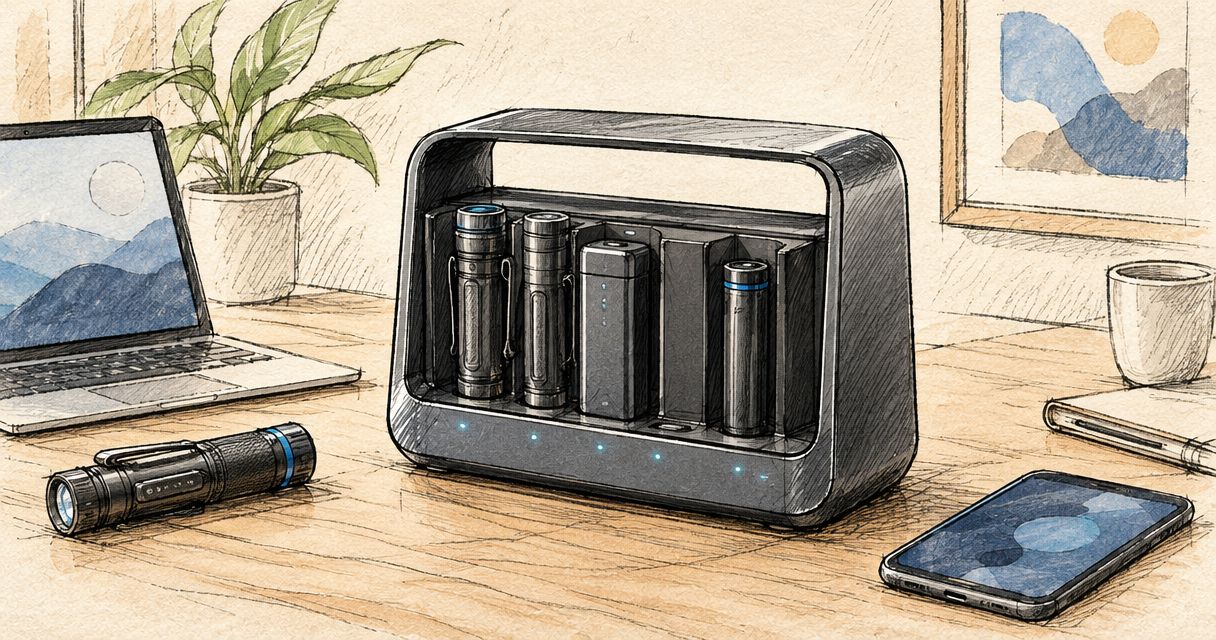
Also check the specified battery and charging arrangement. Do not assume that a battery, charging lead or charger from another Olight product is interchangeable. Confirm the exact requirements before purchase, especially if you already own charging accessories.
What should make you stop and seek advice?
Stop if the setup relies on an unsupported assumption. Examples include treating rail fit as recoil approval, using an adapter with no clear application information, or accepting a second-hand claim that a similar light worked on a different shotgun.
Other warning signs include interference with moving parts, inaccessible controls, visible movement in the attachment or damaged components. Do not compensate for these problems with improvised packing, adhesives or unapproved changes to the mount. Have the combination assessed instead.
For inspection or installation, unload the firearm and follow its manufacturer’s safety procedure. Keep ammunition away from the work area. If you cannot confidently follow the instructions or assess the installation, use a qualified gunsmith.
A published compatibility answer also does not replace training. Never use a weapon-mounted light for casual searching or general household tasks, because directing its beam also directs the firearm. A separate torch lets you illuminate those tasks without involving the shotgun.
Is a recoil claim enough to approve the whole setup?
No. Recoil suitability addresses only part of the compatibility question. Even a light intended for the application still needs the correct mount, adequate clearance and accessible controls.
Read the scope of the claim carefully. A statement about the light does not automatically cover every aftermarket adapter, mounting position or firearm configuration. Ask which components the confirmation actually includes.
Can an existing Olight light be reused instead of buying another?
Only reuse an existing Olight light when its exact application and mounting combination are confirmed suitable. Ownership does not change the compatibility requirements, and a working handheld light does not become a weapon light simply because an attachment is available.
Check its condition and documentation before making a purchasing decision. If the intended use is unsupported, keep the light for its stated purpose rather than forcing it into a different role.
FAQ
Can any Olight weapon light be fitted to a shotgun?
No. Confirm the exact light, mount and shotgun combination; neither the Olight name nor a clamp that fits establishes universal compatibility.
Does a rail-mounted pistol light automatically work on a shotgun?
No. Pistol-rail compatibility does not establish shotgun recoil suitability, clearance or suitable control access. Obtain model-specific confirmation before use.
Is a general impact rating enough for shotgun use?
No. A general impact rating does not necessarily establish suitability while attached to a recoiling shotgun. Check the manufacturer’s stated application for the exact light and mount.
What information should I give OlightSA when asking about compatibility?
Give OlightSA the exact light model, shotgun make and model, and proposed mount or adapter. Ask for confirmation covering that complete combination rather than rail fit alone.
Should I choose the shotgun light with the most lumens?
Choose a confirmed compatible setup before comparing lumens. Then assess the published beam characteristics, operating modes, runtime, battery and charging requirements for your intended use.
Can I use a normal torch as a shotgun light?
Do not assume a normal torch is suitable for firearm mounting. Use it for its stated purpose unless the manufacturer confirms the intended application and mounting arrangement.
Does advertised beam distance tell me how far I can identify something?
No. Advertised beam distance is not an identification guarantee. Visibility also depends on conditions, contrast and the subject being illuminated.
Do I still need a handheld torch if I have a weapon light?
Yes, keep a separate light for general illumination. A weapon-mounted light is not appropriate for casual searching because pointing its beam also points the firearm.
One last thing
The most useful pre-purchase answer is a written compatibility confirmation naming the light, mount and shotgun—not a photograph of a similar setup. Keep that confirmation with the relevant manuals so you can check its scope if you later change a component.
Changing the mount, adapter or firearm configuration creates a new compatibility question. Recheck the combination rather than carrying an old approval across to different hardware.