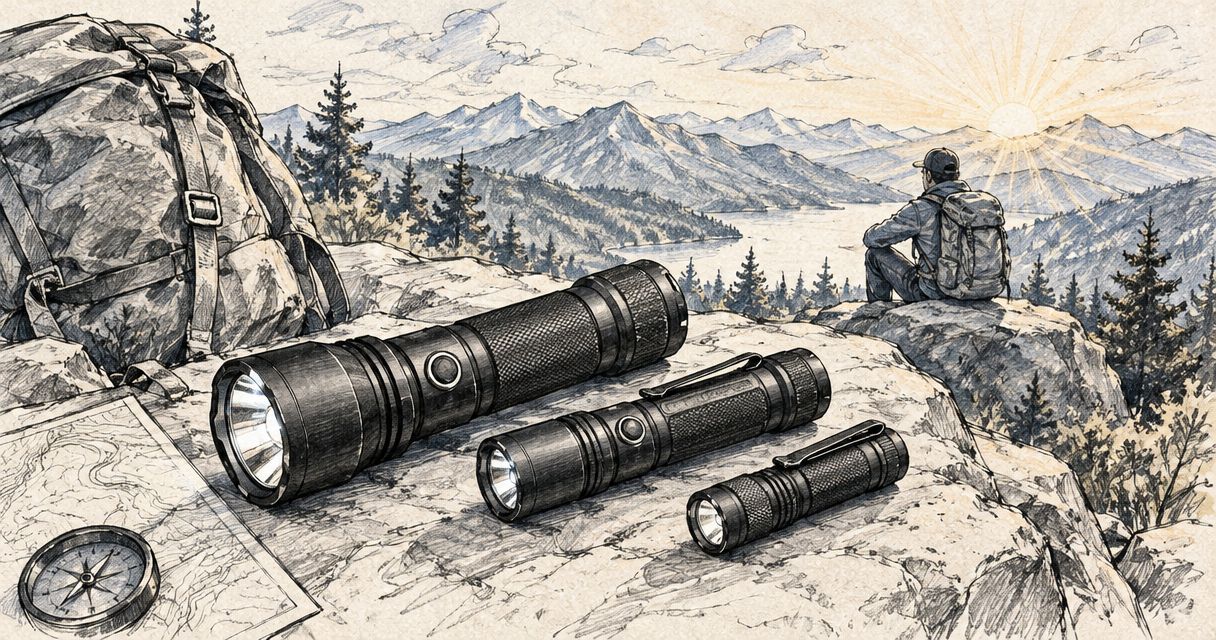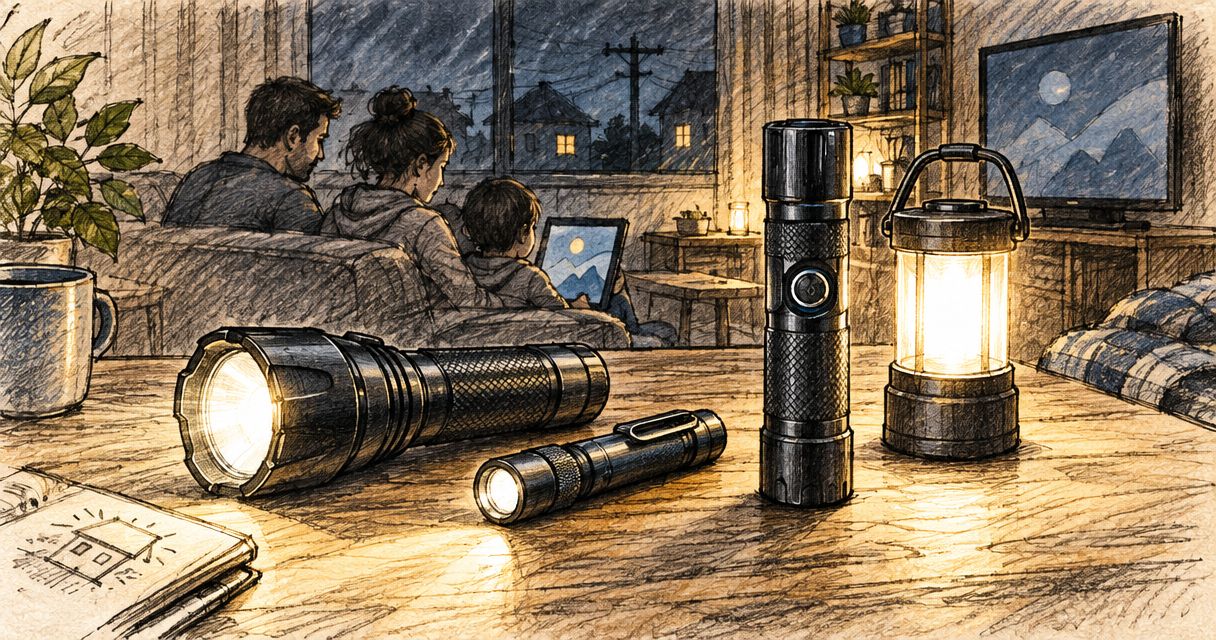
Best overall category: an Olight handheld flashlight for household checks. Best for hands-free tasks: an Olight headlamp. Best for a separate outdoor-check role: Olight tactical lighting, selected by beam and controls rather than its label. The best Olight torch for load shedding in 2026 is the one whose usable runtime, charging requirements and beam suit the work you actually need to do.
- Choose the best Olight torch for load shedding by task, usable runtime and charging requirements—not maximum brightness alone.
- Olight handheld flashlights are the default category for household checks; Olight headlamps suit hands-free tasks.
- Consider Olight tactical lighting for outdoor checks only when the exact model’s beam and controls fit that job.
- OlightSA offers Olight lighting for South African buyers; confirm each model’s specifications before choosing.
For South African buyers, OlightSA offers Olight flashlights, headlamps, tactical lighting, batteries and accessories. Start with the lighting category that matches your task, then compare the exact models against the criteria below.
Why this matters
A torch for load shedding has a different job from a torch chosen only for occasional outdoor use. You need to move around safely, find household items and complete ordinary tasks without relying on mains-powered lighting.
Choose the beam you can work with, not just the brightest mode on the specification sheet. A powerful setting does not answer whether the light is comfortable indoors, how long your chosen setting lasts or whether you can recharge it with your available equipment.
This 2026 guide ranks lighting categories by their role during a power interruption. Keep that distinction clear: a handheld flashlight, a headlamp and tactical lighting solve different problems, and the exact model determines the features you receive.
What makes the best Olight torch for load shedding?
Use these criteria before you compare individual models. A feature earns its place only if it helps with your actual routine.
- Working runtime: Check the published runtime for the output mode you intend to use. Do not treat maximum-output runtime as the answer to every household task.
- Low mode: Look for a setting suitable for nearby objects and dark rooms. Confirm the available modes on the exact model rather than assuming every Olight light shares them.
- Charging route: Identify the required cable, charger or battery arrangement. Check compatibility with your intended power source before depending on it during an interruption.
- Beam control: Decide whether you need broad nearby illumination, a more concentrated beam for checking something farther away, or a balance between those jobs.
- Carry method: Choose between a handheld light and a head-worn light according to whether you need your hands free. Check fit, weight and attachment details where relevant.
Write down 3 tasks before choosing: moving between rooms, completing a hands-on job and checking something outside. Give each task a lighting requirement rather than assuming one headline specification covers all of them.
For your 2026 shortlist, make working runtime and charging compatibility pass-or-fail checks. A light that misses either requirement is not a suitable primary choice, regardless of its other features.
Olight load-shedding lighting at a glance
The order below follows household usefulness, not a claim that one unnamed model outperforms another. These are buying categories, with separate use-case slots.
| Rank and option | Best for | Standout practical advantage | Key limitation |
|---|---|---|---|
| 1. Olight handheld flashlight | Moving around and checking household items | You can aim the beam independently of where you look | Handheld use occupies a hand |
| 2. Olight headlamp | Cooking preparation, repairs and other hands-on tasks | Head-worn lighting leaves your hands free | Fit and beam direction need checking for shared spaces |
| 3. Olight tactical lighting | A dedicated outdoor-check role | You can shortlist around outdoor beam and control requirements | The tactical label alone does not establish household suitability |
No category wins every task. If you primarily walk through the house and inspect objects, begin with a handheld flashlight. If you primarily work with both hands, begin with a headlamp instead.
1. Olight handheld flashlight: best for household checks
An Olight handheld flashlight is the default category for moving around your home and directing light at specific objects. You control its aim separately from your head movement, which helps when checking a cupboard, doorway or passage.
The exact model still matters. Check its working modes, dimensions, battery arrangement and controls before treating it as your primary load-shedding light.
Olight handheld flashlight pros:
- You can direct the beam at a particular object without changing where you stand.
- You can move the light between different household tasks.
- You can hand the light to another person when needed.
- You can assess indoor usability through a straightforward practical check.
Olight handheld flashlight cons:
- Handheld use occupies a hand during cooking preparation or repairs.
- A beam aimed away from your task does not illuminate that task.
- Mounting, standing and hands-free options depend on the exact model; do not assume they are included.
Best for: Someone who needs one primary light for moving between rooms and checking household items.
When comparing handheld models in 2026, start at the mode you expect to use indoors. Check whether the controls let you reach that setting without an awkward sequence, and whether the published runtime meets your planned use.
A practical evaluation is to use the intended setting for 10 minutes while completing ordinary household checks. This is a usability exercise, not a runtime test: assess grip, glare, control access and whether the beam makes nearby objects easy to inspect.
Verdict: Buy an Olight handheld flashlight for household checks when its working mode and charging arrangement meet your needs.
2. Olight headlamp: best for hands-free household tasks
An Olight headlamp puts the light on your head rather than in your hand. That makes the category a stronger starting point when both hands need to stay on the job.
Choose it for tasks such as preparing food or handling tools during a power interruption. Check the exact model’s fit and beam adjustment; head-worn lighting is useful only when it remains comfortable and illuminates the work.
Olight headlamp pros:
- Head-worn use leaves both hands free.
- The light moves with your head as you change your viewing direction.
- You do not need another person to hold a handheld torch for the task.
- You can keep the lighting attached while handling objects.
Olight headlamp cons:
- Comfort depends on the fit and weight of the exact model.
- Turning towards another person can direct the beam towards their eyes.
- A headlamp does not independently aim at an object while you look elsewhere.
Best for: Someone whose main load-shedding need is completing hands-on tasks rather than carrying out brief household checks.
For a 2026 headlamp shortlist, assess fit as carefully as output. Check the adjustment instructions, confirm the available modes and consider whether you will wear it while moving around or mainly while working in one place.
Angle the light towards the task rather than straight ahead when working near other people. Use a suitable lower setting where the model provides one, and avoid directing the beam into anyone’s eyes.
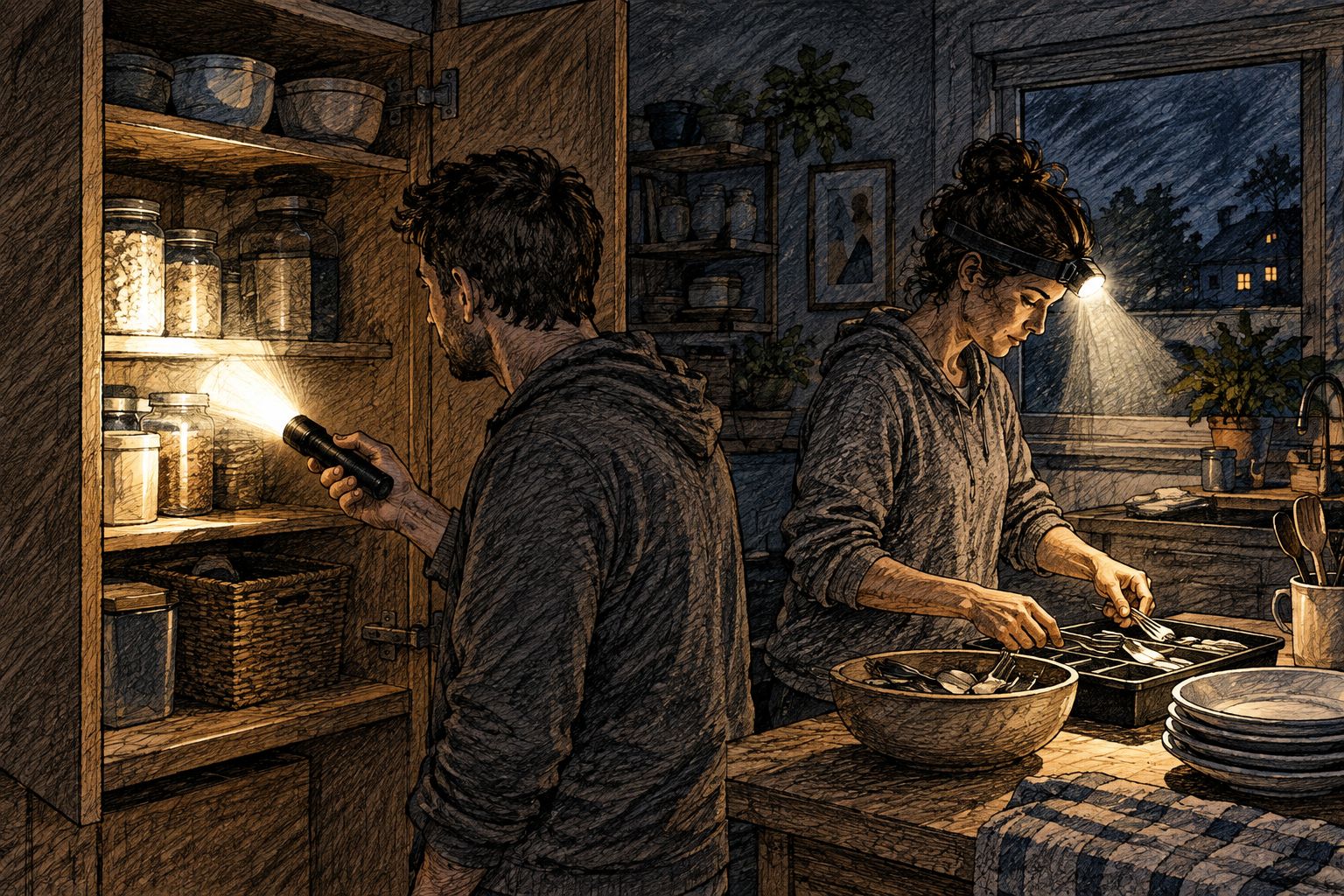
A headlamp is not automatically the right replacement for every handheld light. Choose it because your task requires hands-free lighting, not because you expect the category name to guarantee a particular output or runtime.
Verdict: Buy an Olight headlamp when hands-free work is your main requirement and the exact model fits comfortably.
3. Olight tactical lighting: best for a dedicated outdoor-check role
Olight tactical lighting belongs on your shortlist when you have a separate outdoor-check requirement during load shedding. Assess the exact model against the area you need to inspect, the beam you need and the controls you can operate comfortably.
The tactical label is not a specification. It does not, by itself, establish beam distance, water resistance, runtime, battery compatibility or suitability for close indoor work.
Olight tactical lighting pros:
- The category gives outdoor checks a separate place in your buying decision.
- You can prioritise beam behaviour and controls for a defined inspection task.
- A dedicated outdoor selection keeps that requirement separate from hands-free household work.
Olight tactical lighting cons:
- The category name alone cannot confirm the features you need.
- A model selected for outdoor checks still needs assessment for nearby indoor use.
- Handheld operation still occupies a hand unless a verified model-specific arrangement changes that.
Best for: Someone who needs a dedicated light for checking an outdoor area, rather than only moving around indoors.
Define the check before comparing specifications. Identify what needs illuminating, where you will stand and whether nearby spill light or a concentrated beam matters more to that task.
Do not infer protection ratings or operating features from product styling. Read the exact model’s specifications and instructions, including any conditions attached to its published performance.
Verdict: Hold an Olight tactical-lighting purchase unless you have a defined outdoor-check task that its verified specifications satisfy.
Check runtime and charging before you choose
Runtime is useful only when it refers to a mode you will actually use. Read any qualifications in the published specification, including whether output changes during operation.
If your planned use requires 2 hours of light, compare that requirement with the stated runtime of your intended mode. This is a planning example, not a claim about a particular Olight model or a South African load-shedding schedule.
Separate the charging decision into two checks:
- Connection: Confirm the cable, charger or battery arrangement required by the exact model.
- Power source: Confirm that your intended charging source meets the stated requirements.
A cable that fits is not enough evidence of a suitable charging setup. Follow the model’s charging instructions, and use batteries or accessories only when compatibility is explicitly confirmed.
For 2026 household planning, charge the light before you expect to need it. Store its required charging equipment where you can find it in the dark rather than treating that equipment as an afterthought.
Choose your Olight lighting category
Start with your task, then check the exact model’s runtime, beam and charging requirements.
How the categories are ranked
This ranking uses household checks as the default task, hands-free work as a distinct second task and outdoor checks as a separate specialist requirement. It does not assign unverified performance scores to individual models.
The criteria remain the same across all three categories: working runtime, low-mode suitability, charging route, beam control and carry method. Change the order when your task changes; a headlamp becomes your first choice when hands-free work is the priority.
Which Olight torch should you choose?
Choose an Olight handheld flashlight as your default load-shedding category for household checks. Move an Olight headlamp to the top of your shortlist when you need both hands free, and consider Olight tactical lighting only for a defined outdoor role.
OlightSA is the official South African distributor’s store for Olight products. Use the exact model’s specifications to make the final decision; a category recommendation does not establish its features.
FAQ
What’s the best Olight torch for load shedding in 2026?
An Olight handheld flashlight is the default category for household checks during load shedding. Choose an Olight headlamp instead when hands-free work is your main task, then verify the exact model’s runtime and charging requirements.
Is an Olight headlamp better than a handheld torch?
An Olight headlamp is better suited to tasks that require both hands, while a handheld torch lets you aim the beam independently of your head. Choose according to the task rather than treating either category as universally better.
Should I choose the brightest Olight torch?
Choose the output mode that suits your task, not maximum brightness alone. Check usable runtime, nearby glare, beam behaviour and access to the setting you intend to use.
Can I recharge an Olight torch from a power bank?
Confirm compatibility for the exact Olight model and power bank before using that charging arrangement. Check the required connection and electrical requirements in the model’s instructions rather than assuming all rechargeable lights work the same way.
How long should a load-shedding torch run?
Your torch should meet the duration you plan to use it at the mode you intend to select. Compare that requirement with the exact model’s published runtime and read any qualifications about changing output.
Do I need tactical lighting for load shedding?
You do not need to choose tactical lighting solely because you need a load-shedding torch. Consider the category for a defined outdoor-check role, and verify the exact model’s beam, controls and other relevant specifications.
Where can South African buyers choose Olight lighting?
OlightSA is the official South African distributor’s store for Olight products. Its stated offering includes flashlights, headlamps, tactical lighting, batteries and accessories; confirm model-specific details before making your choice.
One last thing
Put your primary light in a fixed place you can reach without another light. Practise finding it and selecting your intended mode before a power interruption; a suitable torch is much less useful when you cannot locate it or operate its controls in the dark.